Published: 09/12/2025
Flood-damaged vehicles aren’t for everyone - but if you know what to look for, they can offer serious value.
Whether you’re a trade buyer looking for parts or a hands-on bidder ready to take on a rebuild, flood-damaged vehicles at Copart come in all shapes, sizes, and conditions. Some need nothing more than a clean-out and a fresh set of sensors. Others are best stripped for parts. The trick is knowing the difference before you place your bid.
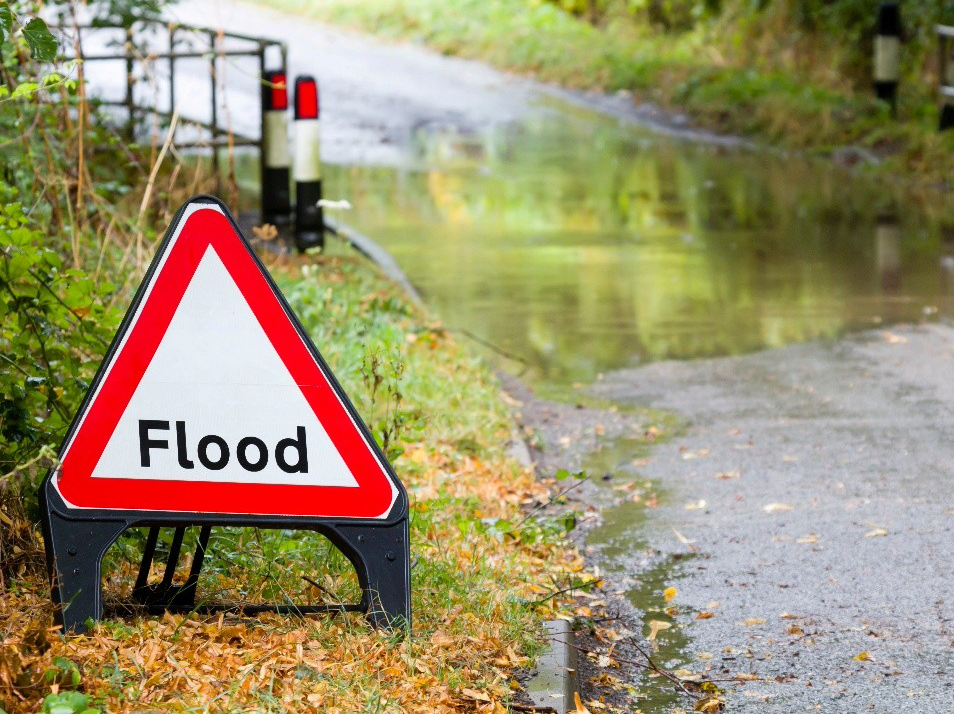
What counts as a flood-damaged vehicle?
At Copart, “Water/Flood damage” can mean anything from a soggy interior to full submersion. Listings will tell you what’s known - but always assume there’s more to uncover.
You’ll see vehicles with the following gradings:
-
Category N: Non-structural damage - can often be repaired and put back on the road.
-
Category S: Structural damage - may still be repairable, but usually more involved.
-
Category B: Breaker only - cannot go back on the road. Good for parts, but that’s it.
We also work with the specialist decontamination service, Polygon, to clean, dry, and decontaminate vehicles that have suffered water or fire damage. So, depending on the lot, you may be getting a cleaned-up runner - or something much rougher. The listing and images will help you decide. If you do choose a vehicle that has been cleaned by Polygon, you can feel more comfortable in the knowledge that it’s been properly sorted out.
What to look out for before you bid
Buying a flood-damaged car can be worthwhile if you know what to check. That’s where Copart’s Virtual Vehicle Viewing comes in. It lets you connect live with a Copart teammate at the yard, who can show you the vehicle in real time via video. You can ask them to zoom in on key areas, point out possible concerns, and get a clearer idea of the car’s overall condition before placing your bid.
Here are the main things worth checking during your viewing:
-
Smells and stains: Ask in your Virtual Vehicle Viewing about damp carpets, mouldy seats, musty odours - these can be signs of how long water sat in the car.
-
Electrical issues: Water and electronics rarely mix well. Check the fuse box, dashboard lights, windows, and locks. If the battery’s dead, you won’t know what works.
-
Engine warning signs: Milky oil? That’s a red flag. Water might’ve got into the engine, which can mean major repairs.
-
Rust and corrosion: Ask the teammate to look under seats, in the boot well, around bolts and hinges. Surface rust is one thing - deep corrosion is another.
-
Photos and damage tags: Zoom in on images. Look for flood lines, watermarks, or signs that the interior’s been stripped or cleaned recently.
Also, be sure to obtain the Vehicle Report during your Pre-Auction Checks to be sure you’re completely aware of the condition of the vehicle.
This report gives you a clear overview of the car’s recorded condition, including details you might not catch in the viewing - such as previous damage, repair category, mileage records, and service information. It’s your chance to confirm what’s visible on screen matches what’s officially logged, helping you bid with confidence and avoid unexpected surprises later.
What kind of work might be needed?
It depends how deep the damage goes. For minor flooding, you might get away with:
-
Drying the interior
-
Replacing carpets or trim
-
Swapping a few sensors or modules
For heavier damage, expect:
-
Electrical rewiring
-
ECU or dashboard replacements
-
Brake servicing (especially if water’s been sitting)
-
Engine work - or a full strip and rebuild
And if the water is saltwater, you’ll need to factor in extra corrosion risk throughout.
Common myths about flood-damaged cars
-
“They’re all write-offs.” Not always. Insurers may write off vehicles even if the damage is minor, simply because drying and checking everything costs more than the book value.
-
“You can never get the smell out.” If the car’s been sitting wet for weeks, it can be tough - but in many cases, stripping the interior and drying it (like Polygon do for many of our cars) properly sorts it.
-
“The electrics will always go wrong later.” Not if they’re dealt with properly. Flooded ECUs, wiring, and sensors can be replaced. Many buyers strip and rewire as a matter of course.
-
“They’re only good for parts.” Some are, especially Category B breakers. But plenty are repairable with time, tools, and the right parts - and can go back on the road.
Flood-damaged vehicles aren’t a shortcut - but if you know what you’re buying and go in prepared, they can be worth your time. Take a look at what’s available on our Vehicle Finder and filter by “Primary Damage” and “Water/Flood” to get started.
Popular Topics
- Copart's Expanding Network with More Auctions and More Vehicles
Copart has recently announced a significant enhancement to...
- Member Success Stories – Eddie's VW Polo
Hey car enthusiasts! Today, we're diving into the world of vehicle revival...
- Practical Picks: Affordable Cars with Low Maintenance Costs
Why low car maintenance costs matter...
- Copart UK's Top Four Favourite Cars to Modify
Rev your engines and buckle up because today, we're diving headfirst into the world of car mods...
- Winter Wonders: Car Restoration Projects
As winter blankets the British landscape, petrolheads across the nation gear up for a season of precision and passion...
- Member Success Stories – Porsche 911
In our exciting new series showcasing the incredible car restorations...